
Green propulsion for all kinds of
satellites and space vehicles
Our products
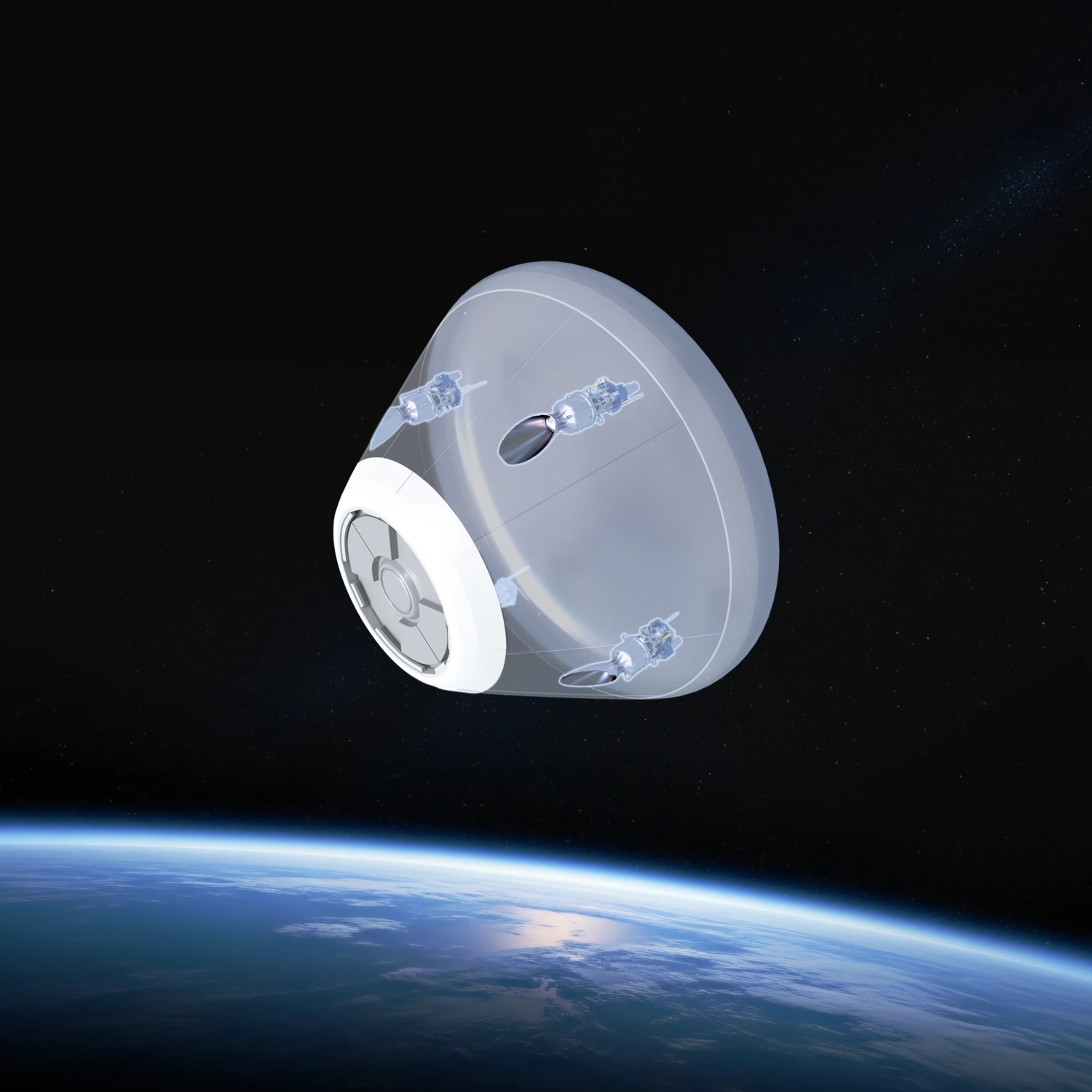
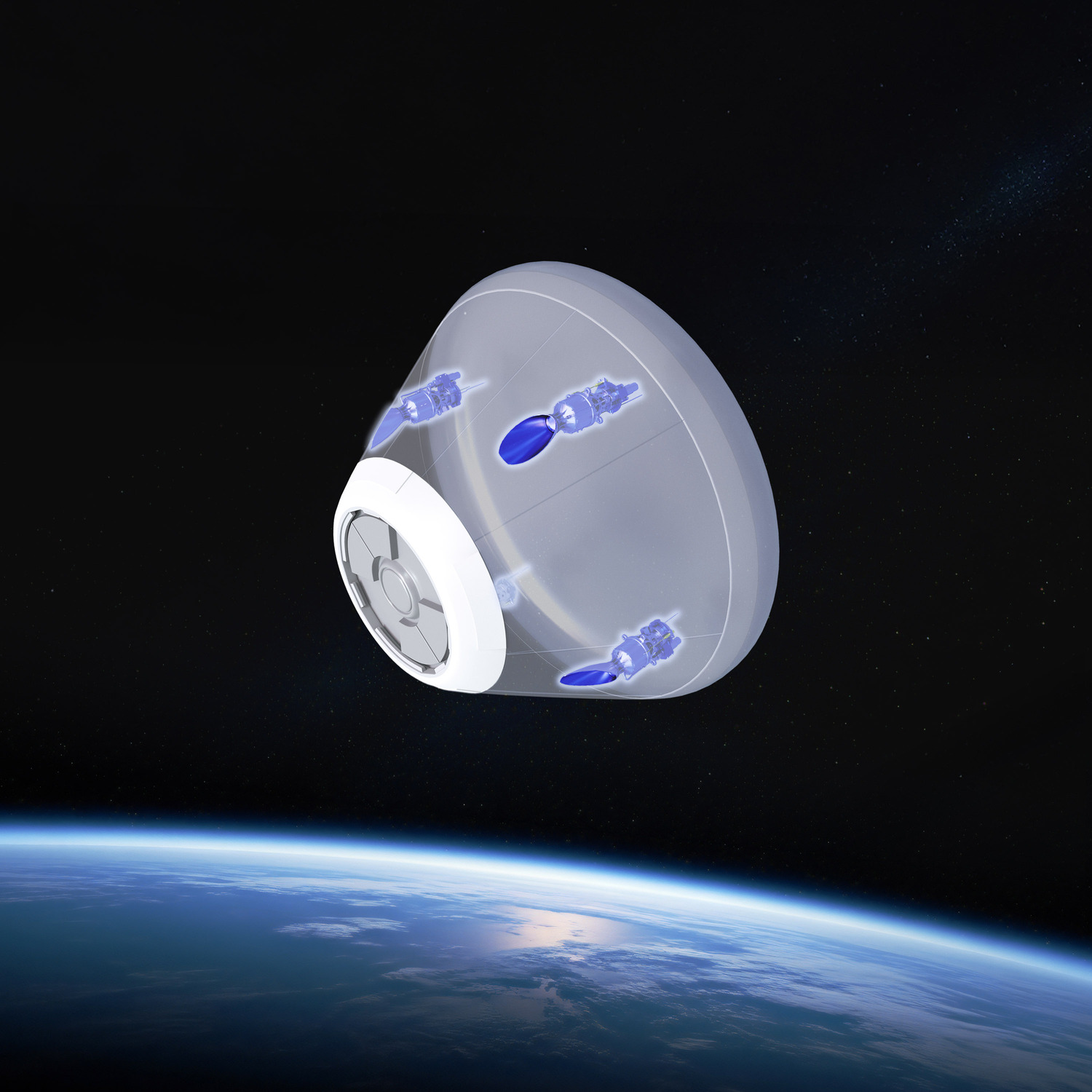
Monopropellant
Thrusters
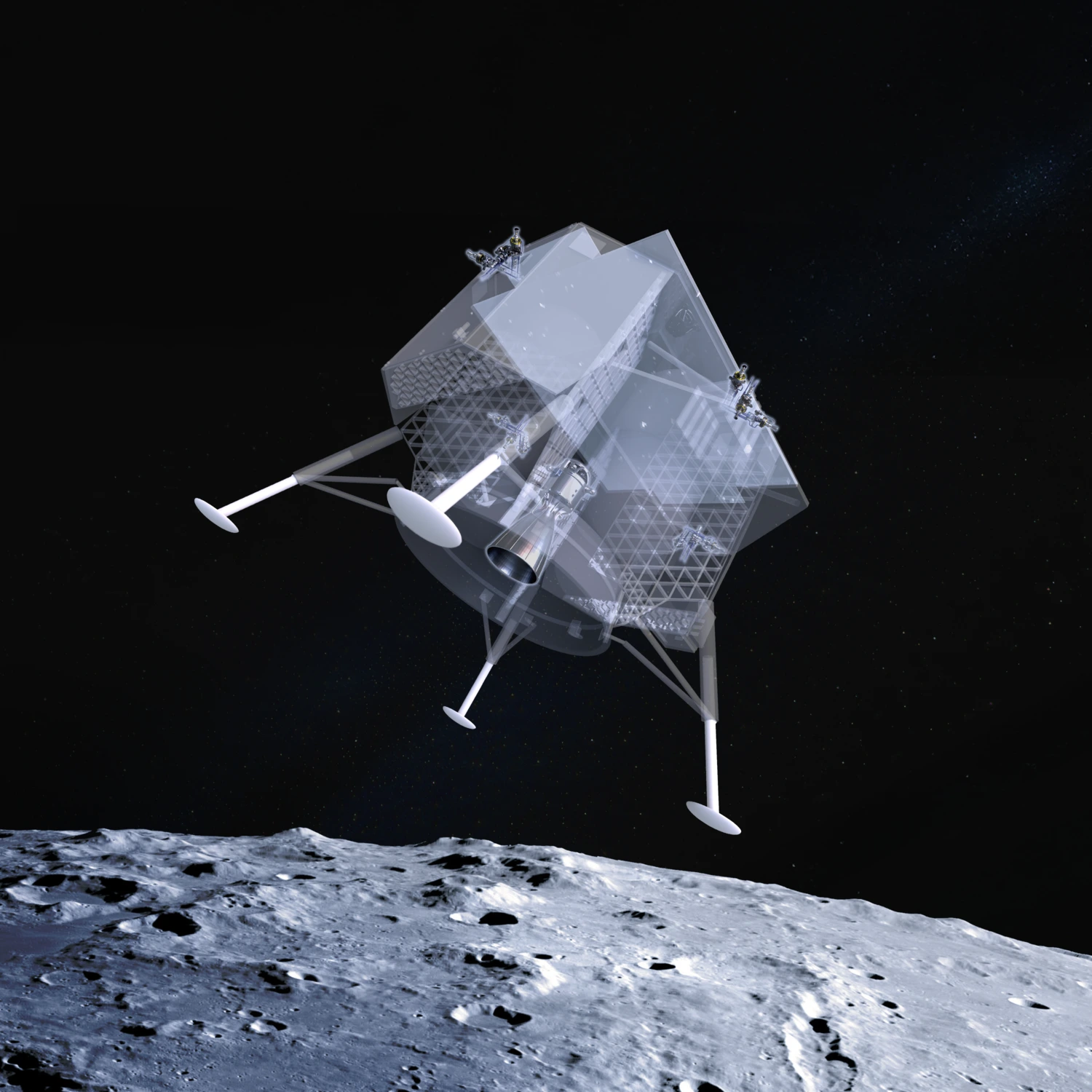
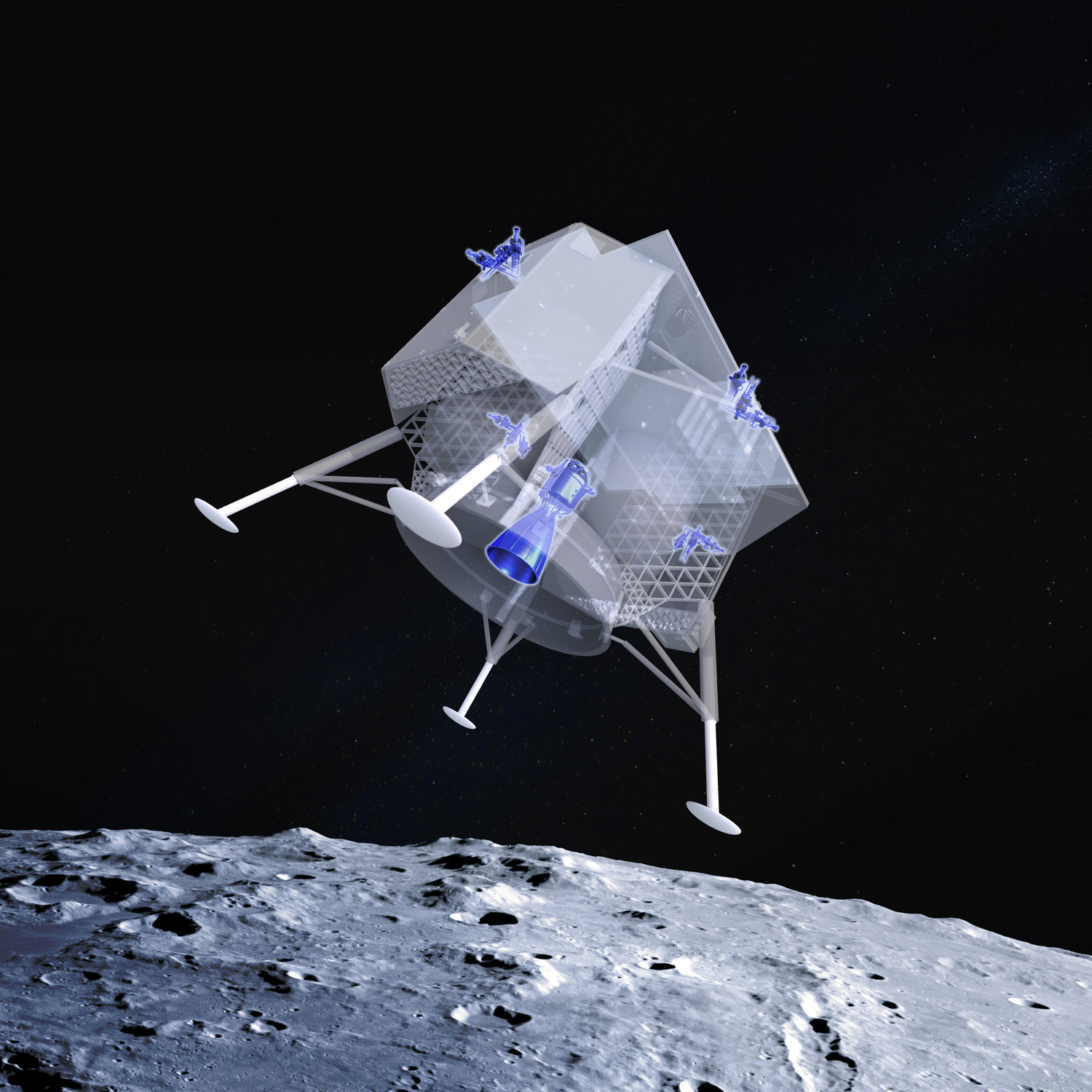
Bipropellant
Thrusters
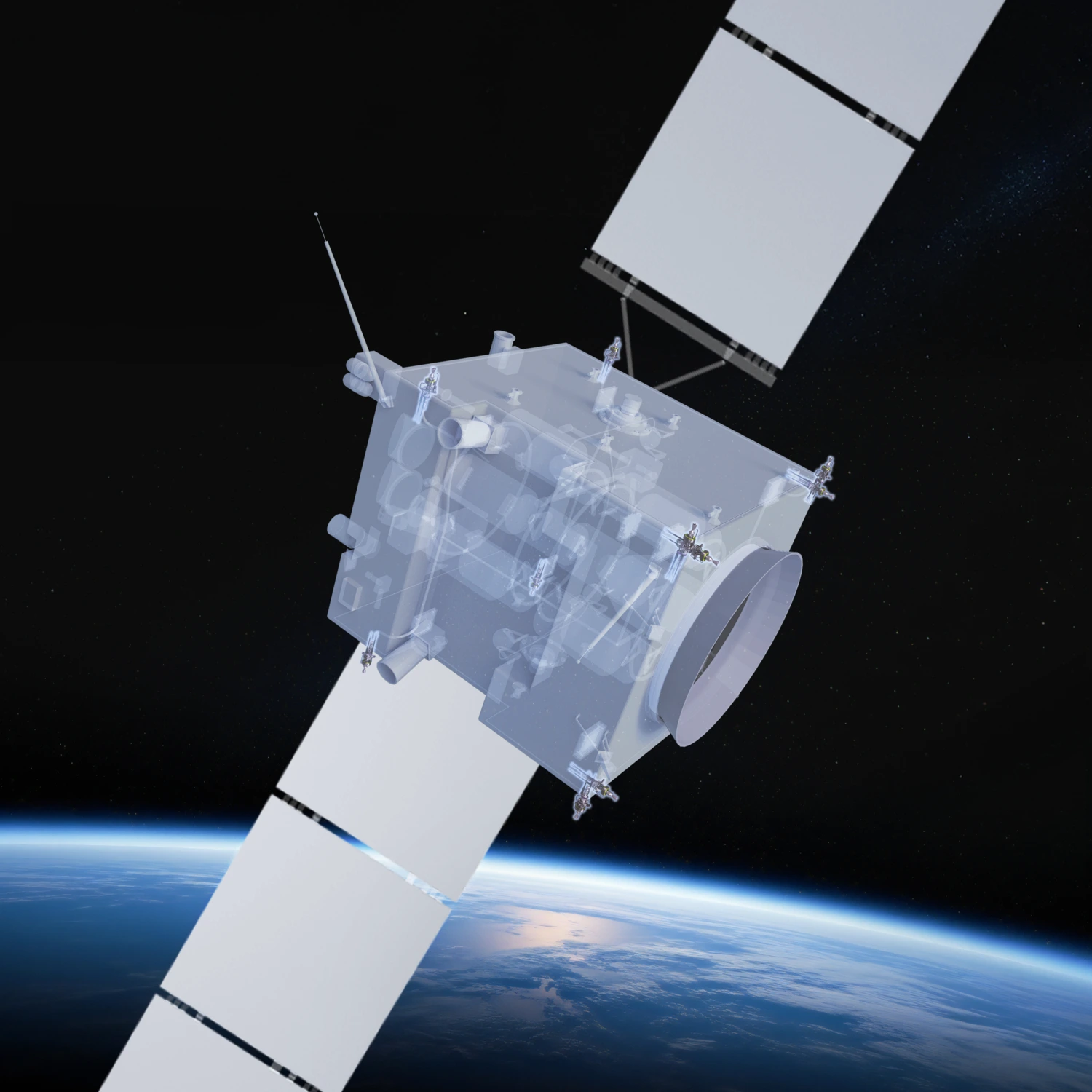
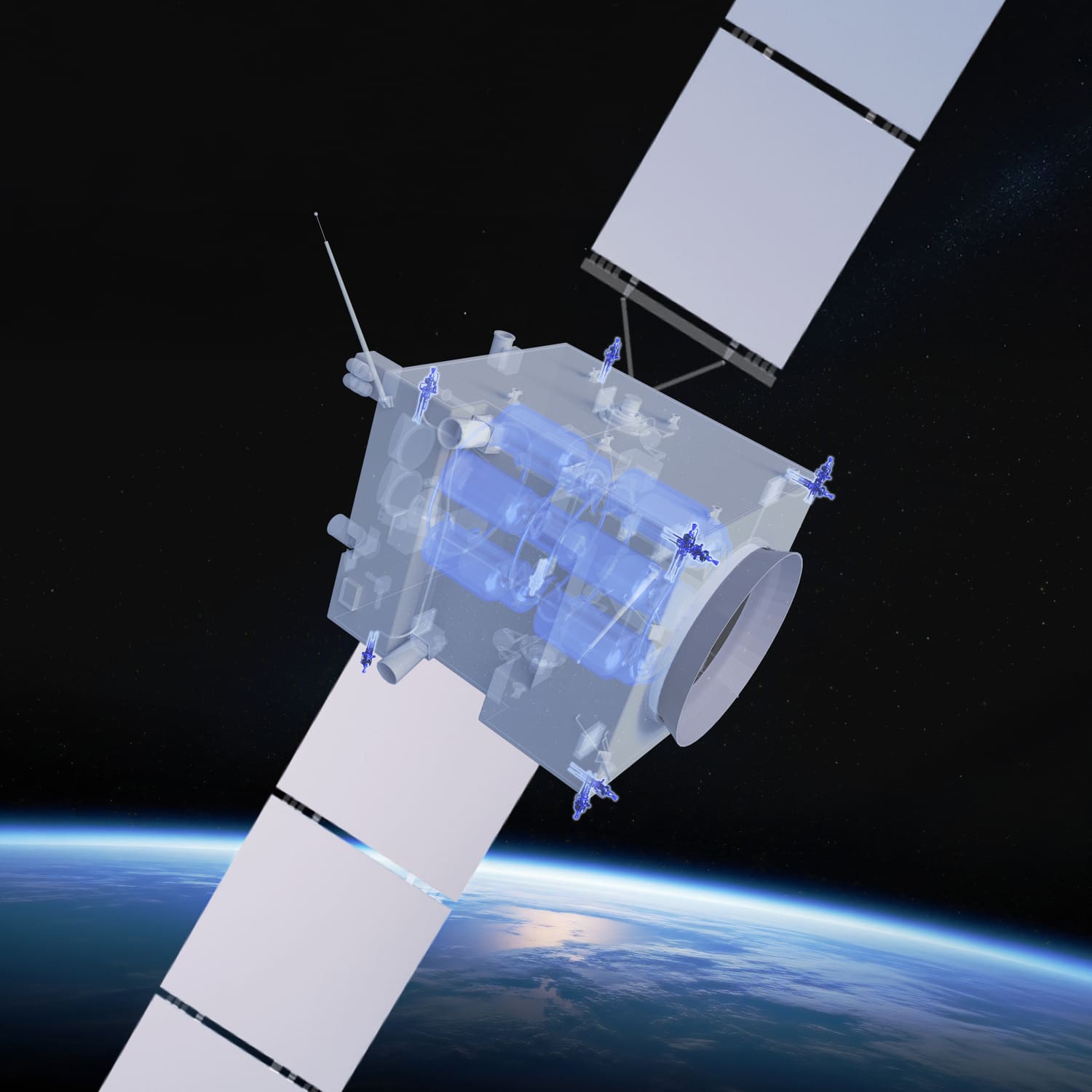
Custom
Propulsion Systems
Lead times under 9 months
Tanks and thrusters delivered in <6 months. Complete propulsion systems in <9 months. Fast execution without compromising quality or reliability.
Up to 70% cost
reduction
Lower mission costs through simplified operations, efficient manufacturing and green propulsion technology, without sacrificing performance.
Up to 310s Isp – the best performance
High-test hydrogen peroxide combines outstanding density-specific impulse with operational simplicity, delivering exceptional performance across a wide range of missions..
Propulsion solutions designed for multiple aplications
Our thrusters are designed to perform the precision manoeuvres satellites require throughout their lifecycle: orbit transfer, station-keeping, collision avoidance, attitude control, and end-of-life deorbiting. With rapid pulsing for precise control and sustained long-duration firings when needed, they deliver the flexibility required across every mission phase.
Satellites
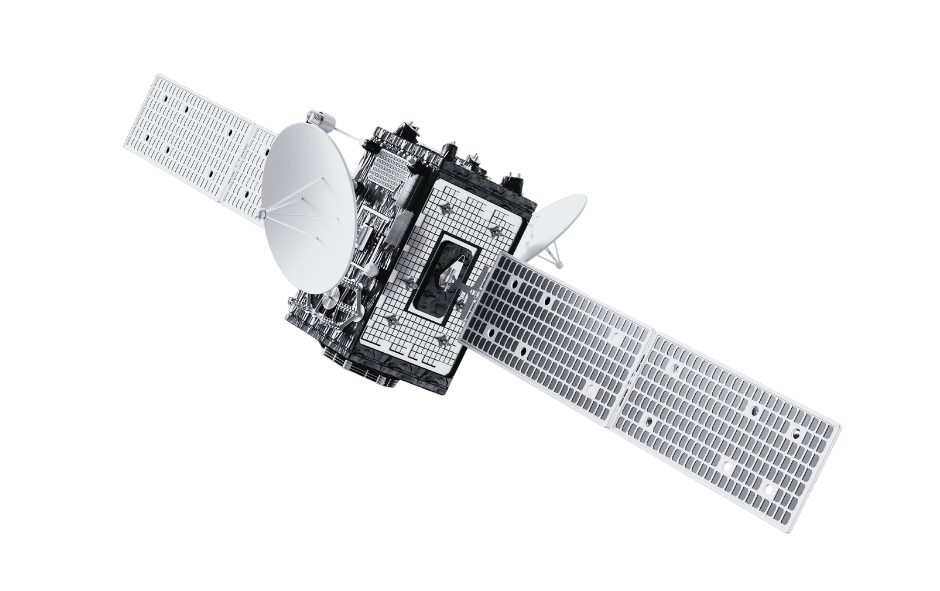
Monopropellant propulsion systems are ideal for Attitude and Orbit Control Systems (AOCS), thanks to their simplicity, operational flexibility, and proven reliability across every mission phase.
Our recommendation:
Use TRITON 5 N thrusters for AOCS to ensure fine attitude control and reliable orbit management across satellite classes and mission profiles.
Launchers
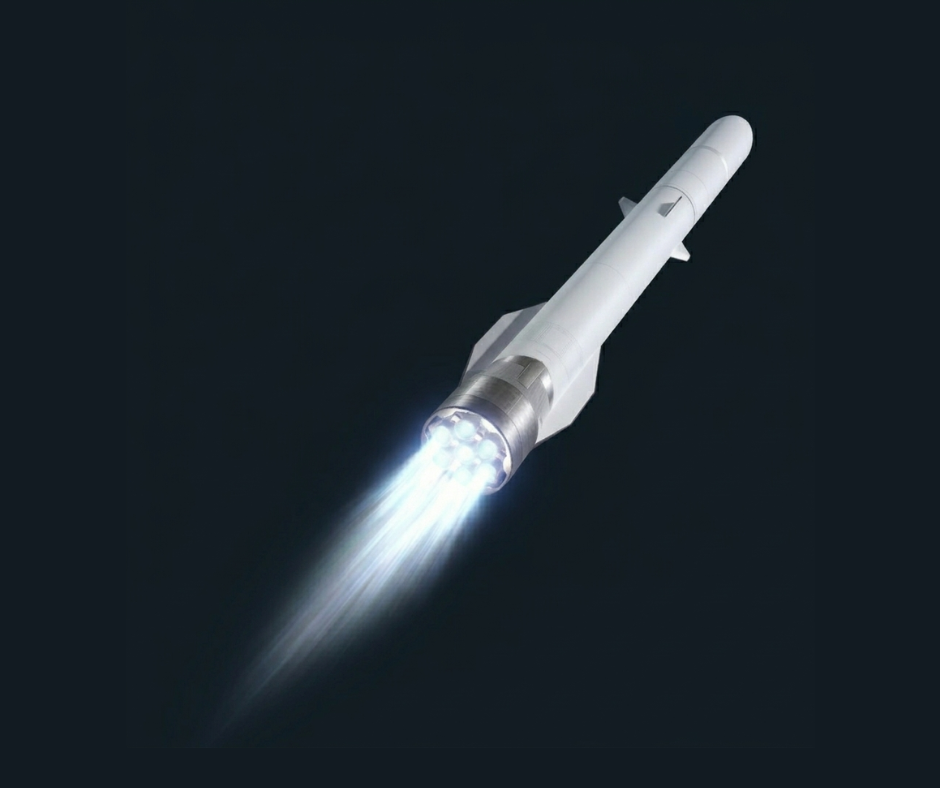
Launchers require a Reaction & Attitude Control System (RACS) during the ascend phase to main the trajectory, but also when recovering the rocket, for controlled descend manoeuvrers. This system relies on thrusters placed along the launcher’s body to stabilise and adjust its orientation during ascend and descend.
Our recommendation:
A configuration of six to eight ARIEL 250N monopropellant thrusters provides precise control and robust performance for launcher RACS applications
Capsules & Re-entry vehicles
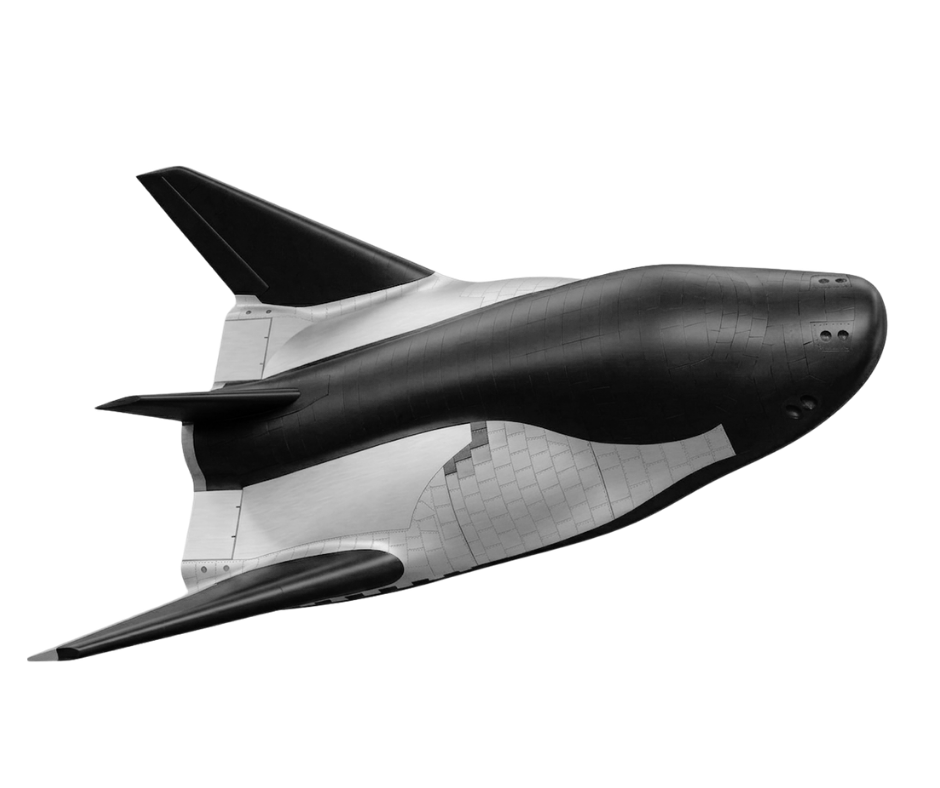
Re-entry vehicles used for cargo transportation and return, sample return, or protected payload delivery — require precise, deterministic and sustained thrust for deorbit burns and controlled re-entry trajectories.
Our family of thrusters enable fast actuation, predictable and continuous thrust without burn time limitations or complex duty cycles.
Our recommendation:
Depending on the size of the spacecraft (from few hundred kilograms to tons), our monopropellant thruster family is the ideal balance to provide sustained thrust, and operational simplicity
Landers
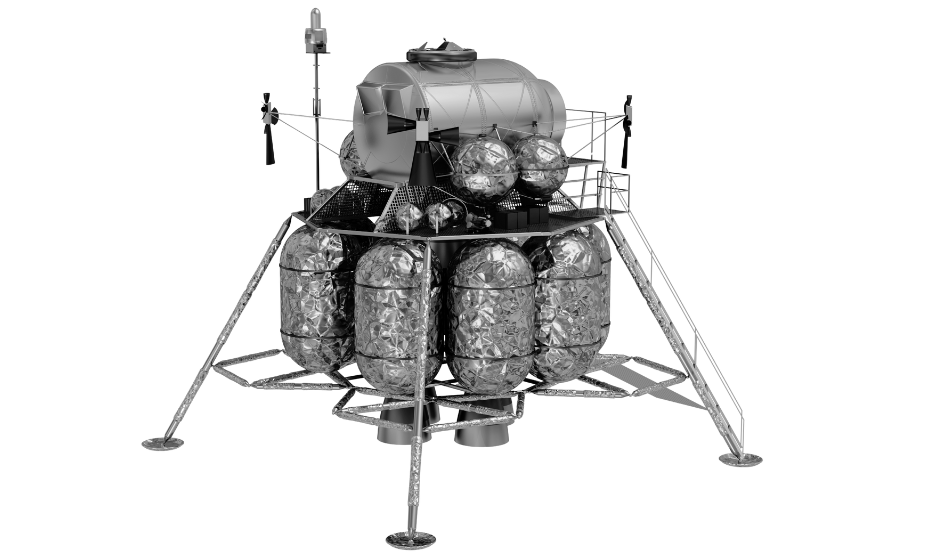
Landers are designed to deliver payloads safely to the surface of the Moon or other celestial bodies.
Arkadia’s hypergolic bipropellant engines provide instant ignition and rapid pulsing for precise, responsive thrust — enabling safe and accurate soft landings.
Our recommendation:
A configuration of one to three PHANTOM 200N bipropellant engines for the main landing system, combined with eight TRITON 5N monopropellant thrusters for RCS applications.
Our first mission
Love at first flight
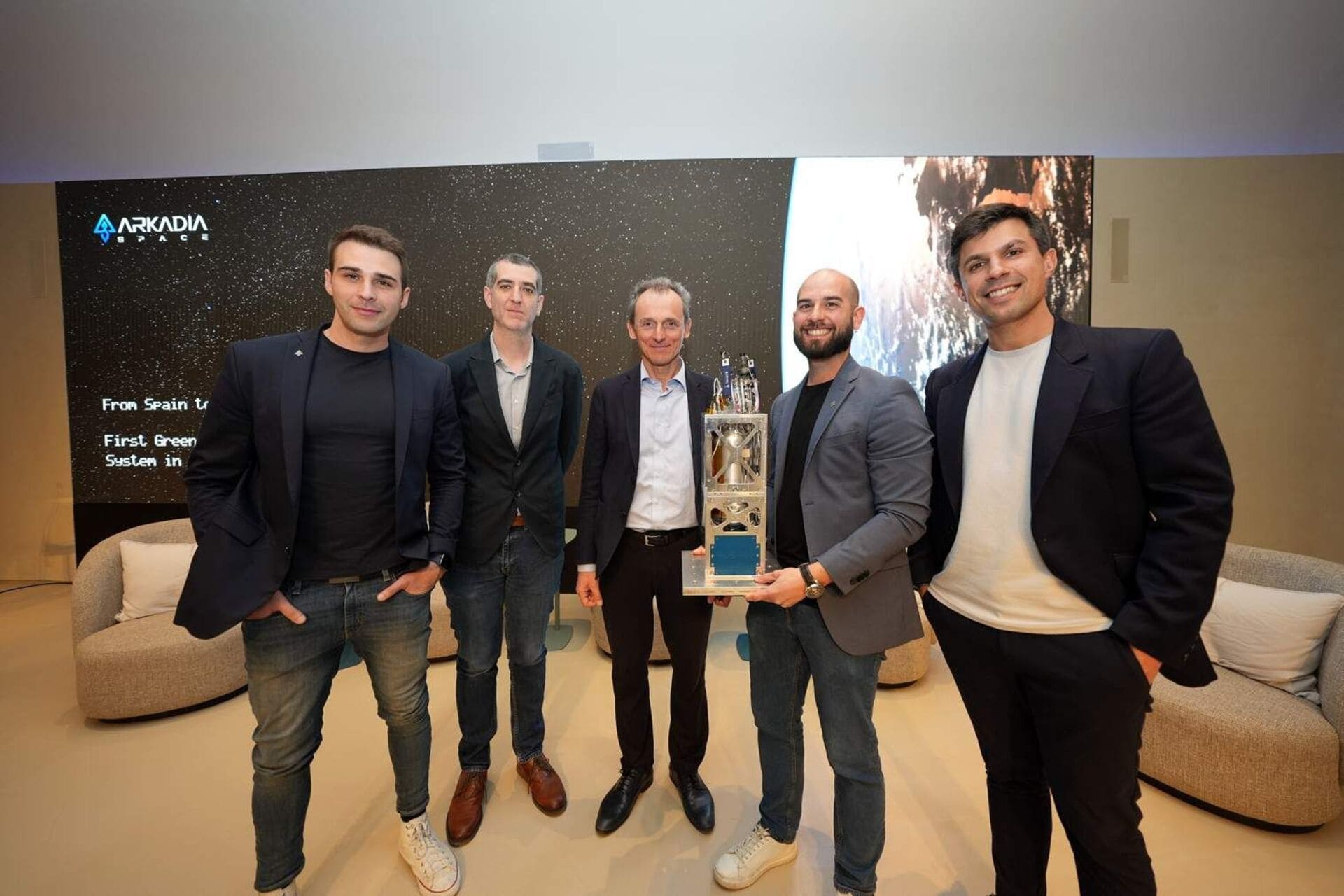
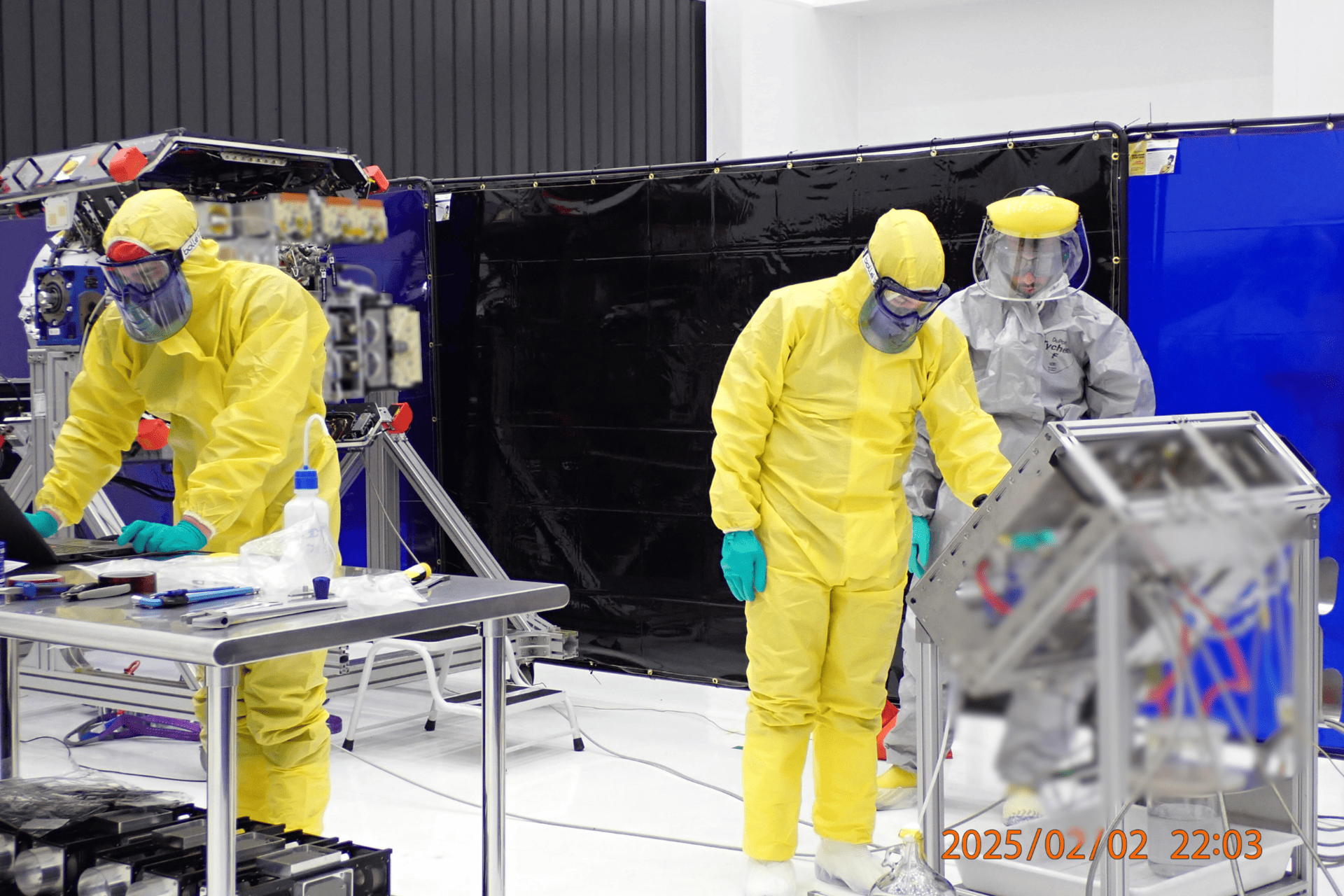
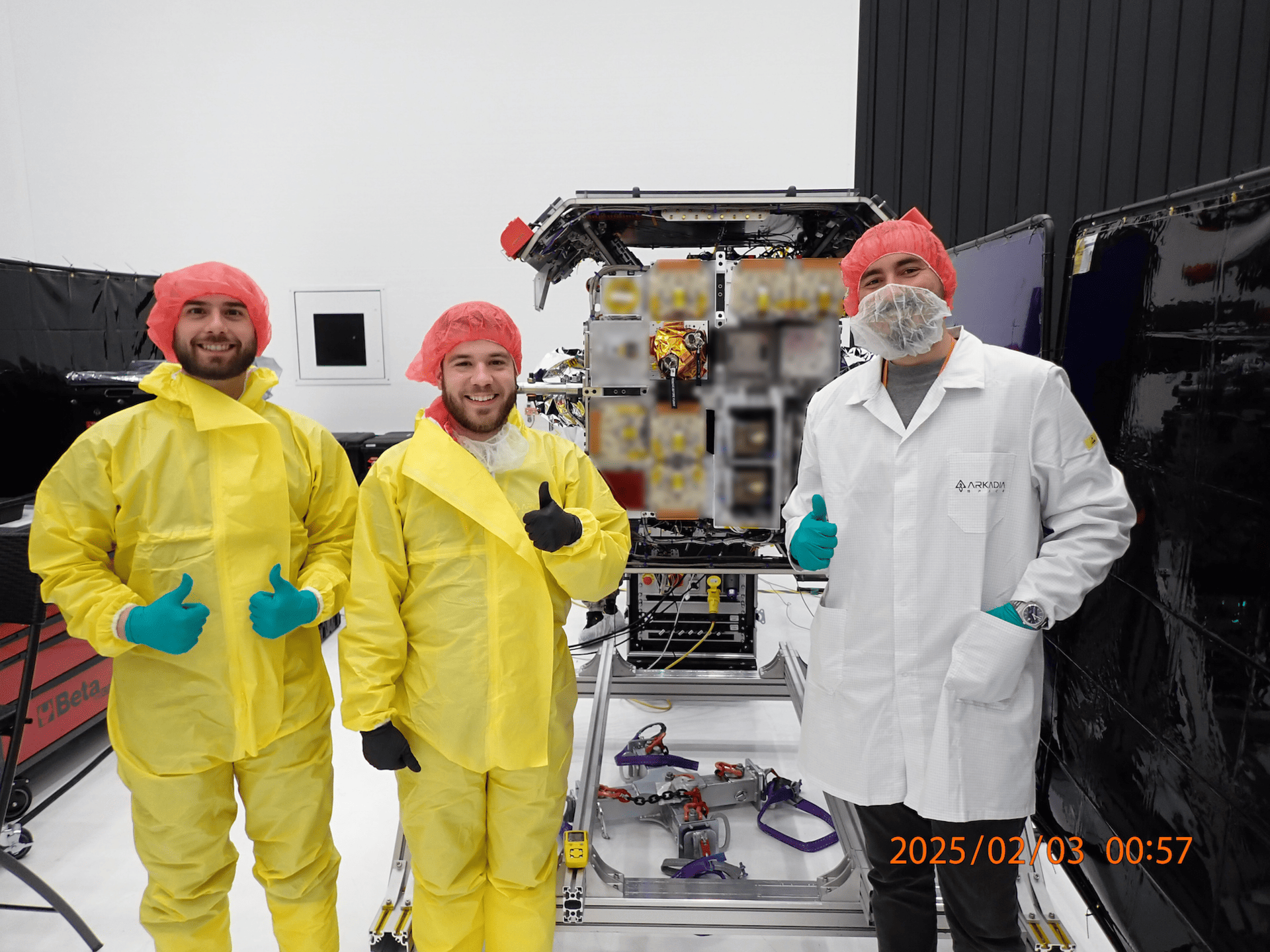
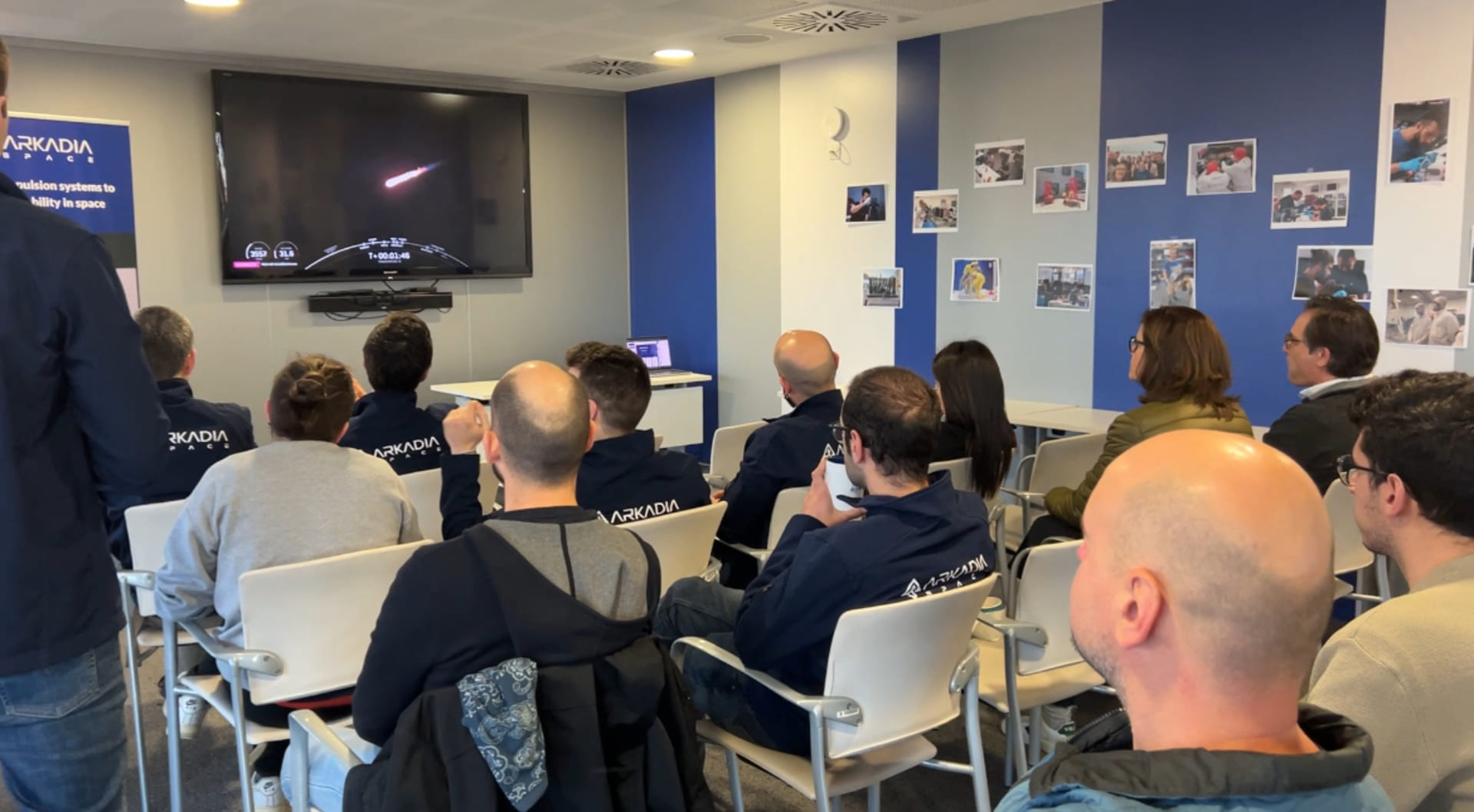
On March 2025, Arkadia became the first company in Europe to successfully operate hydrogen peroxide-based propulsion in orbit. Flying aboard SpaceX’s Transporter-13 mission, we launched a complete propulsion system — including tanks, 5N thrusters and in-house electronics — developed in just one year, from concept to launch.

The story behing Arkadia Space
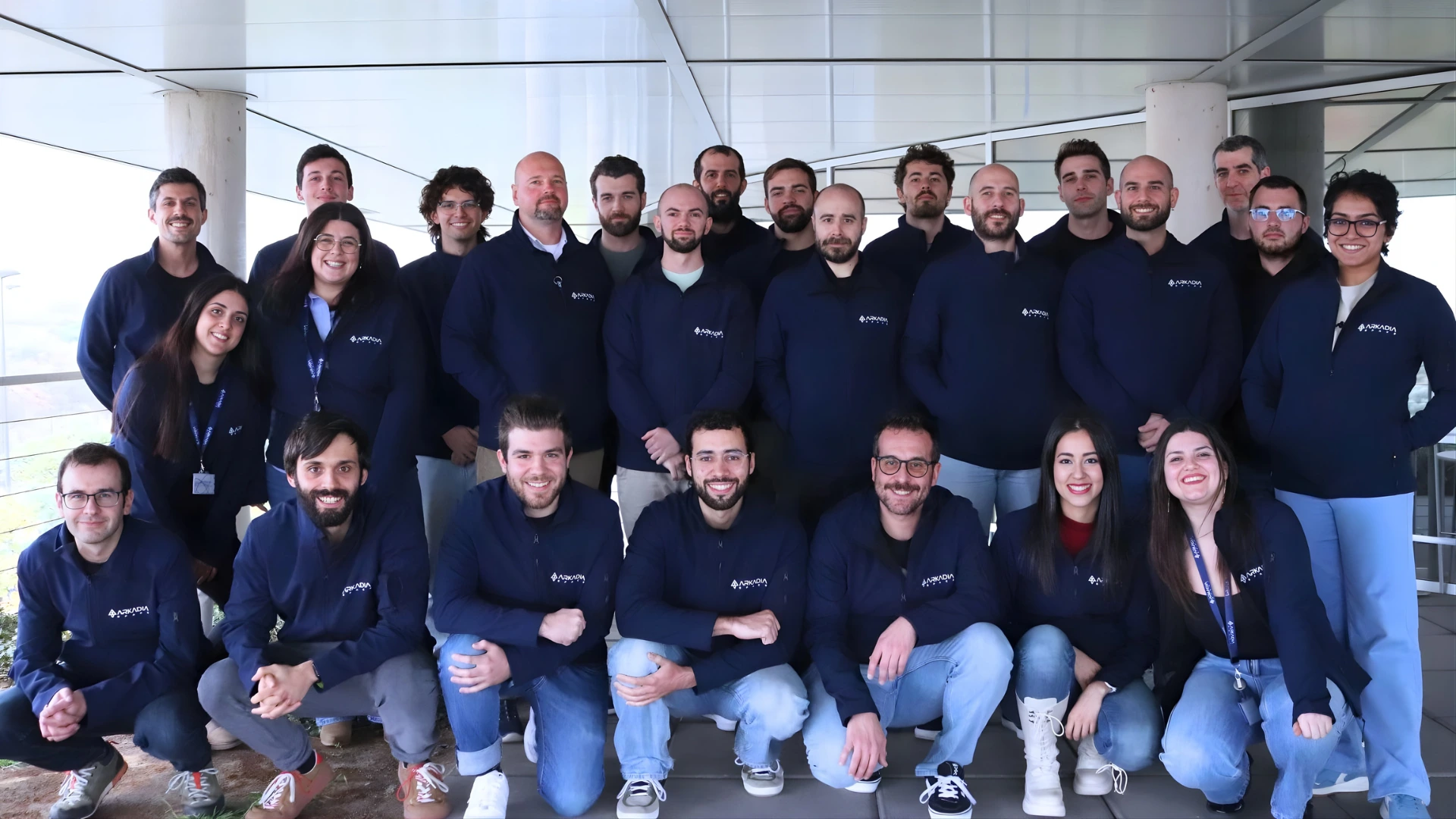
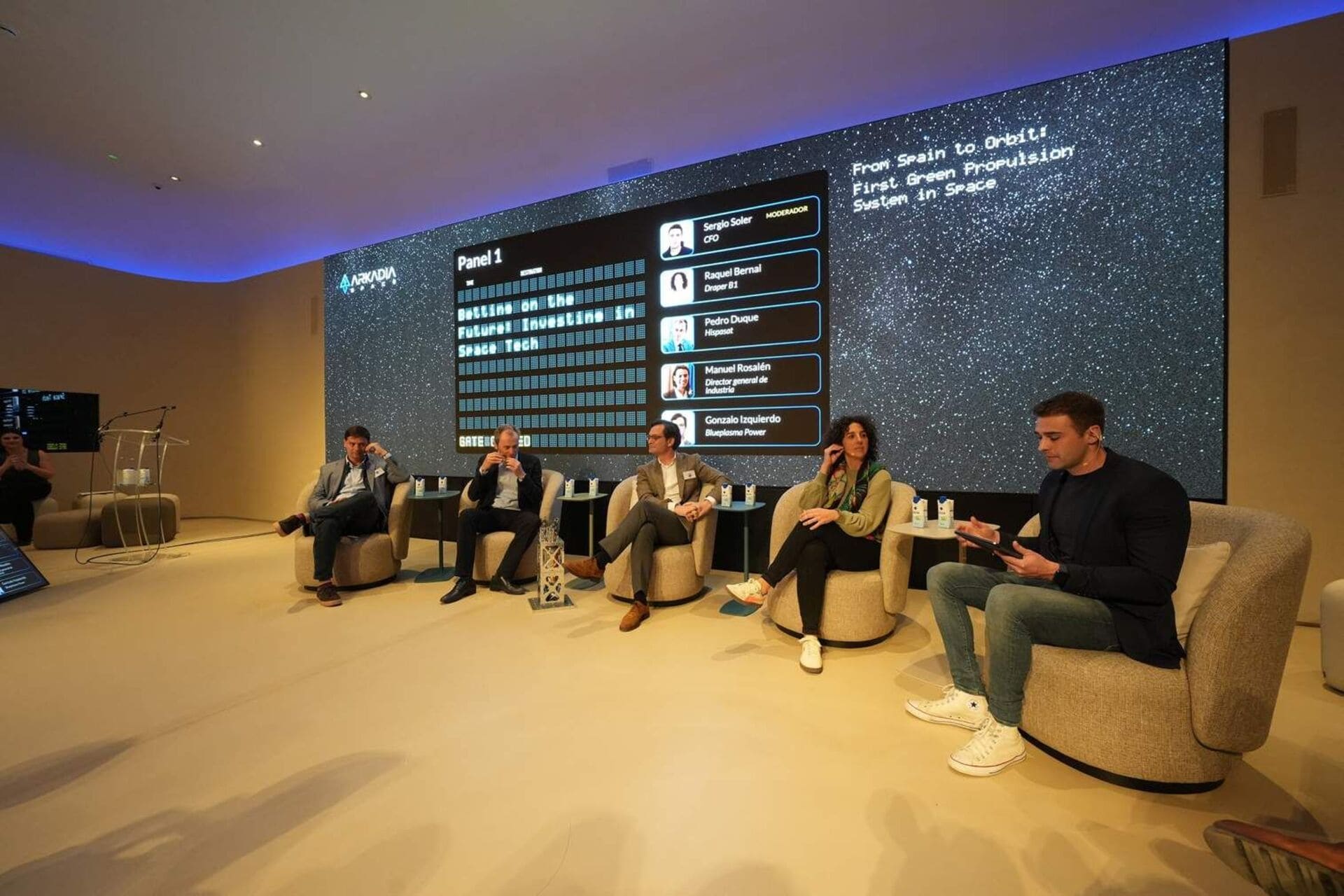
Founded in 2020, Arkadia Space was born with a clear mission: to revolutionize in-orbit propulsion.



Our very own
Test Center
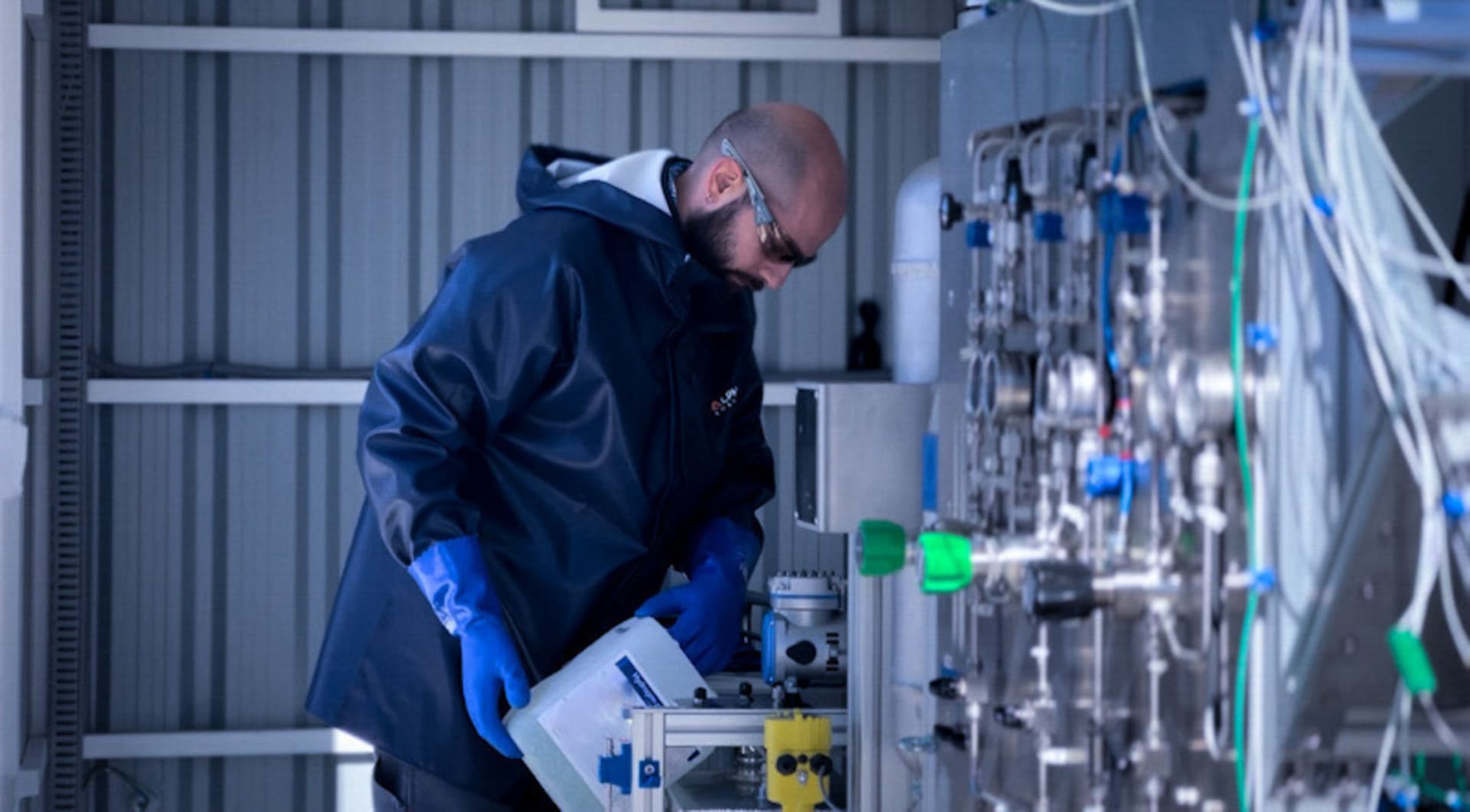
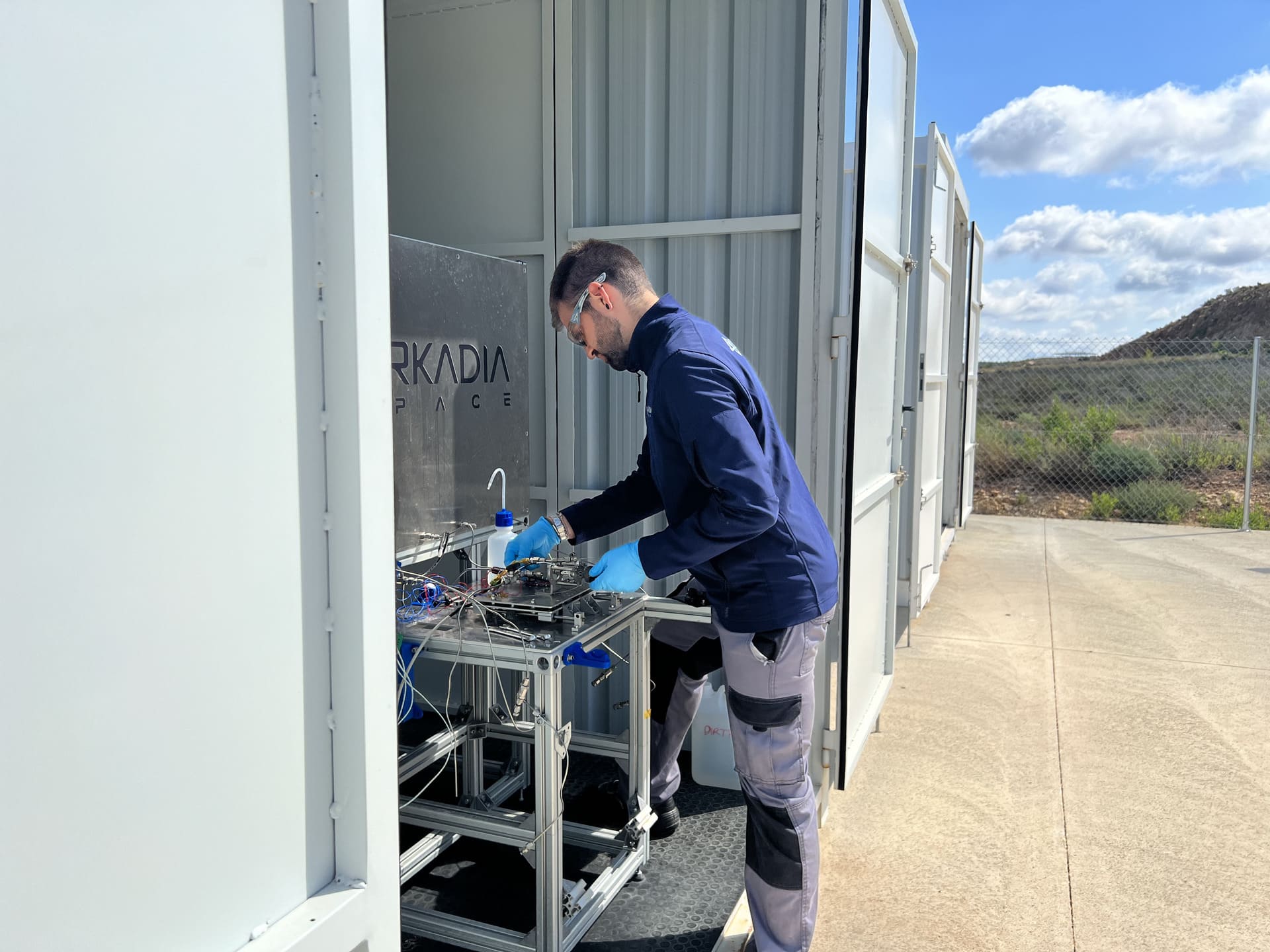
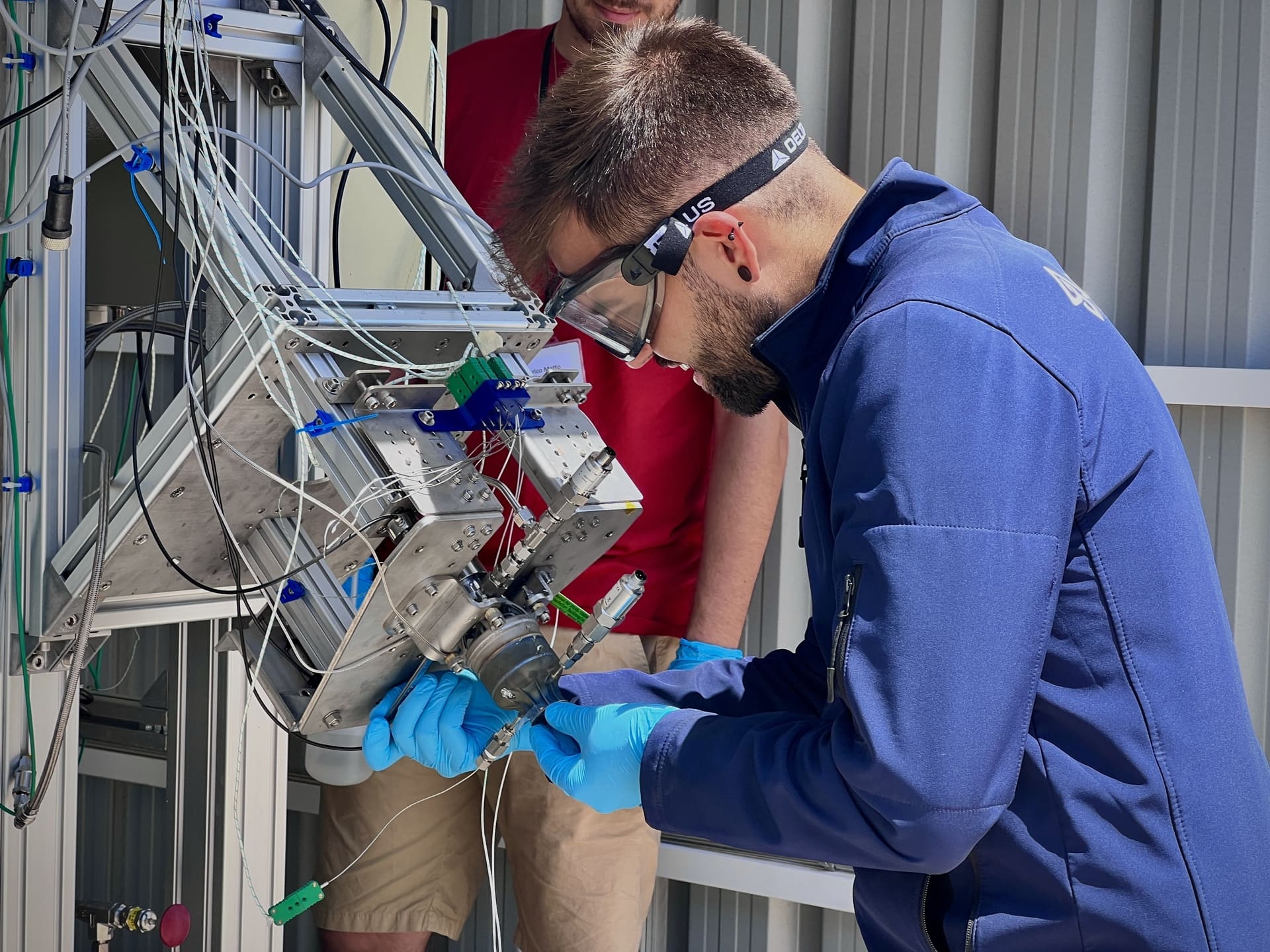
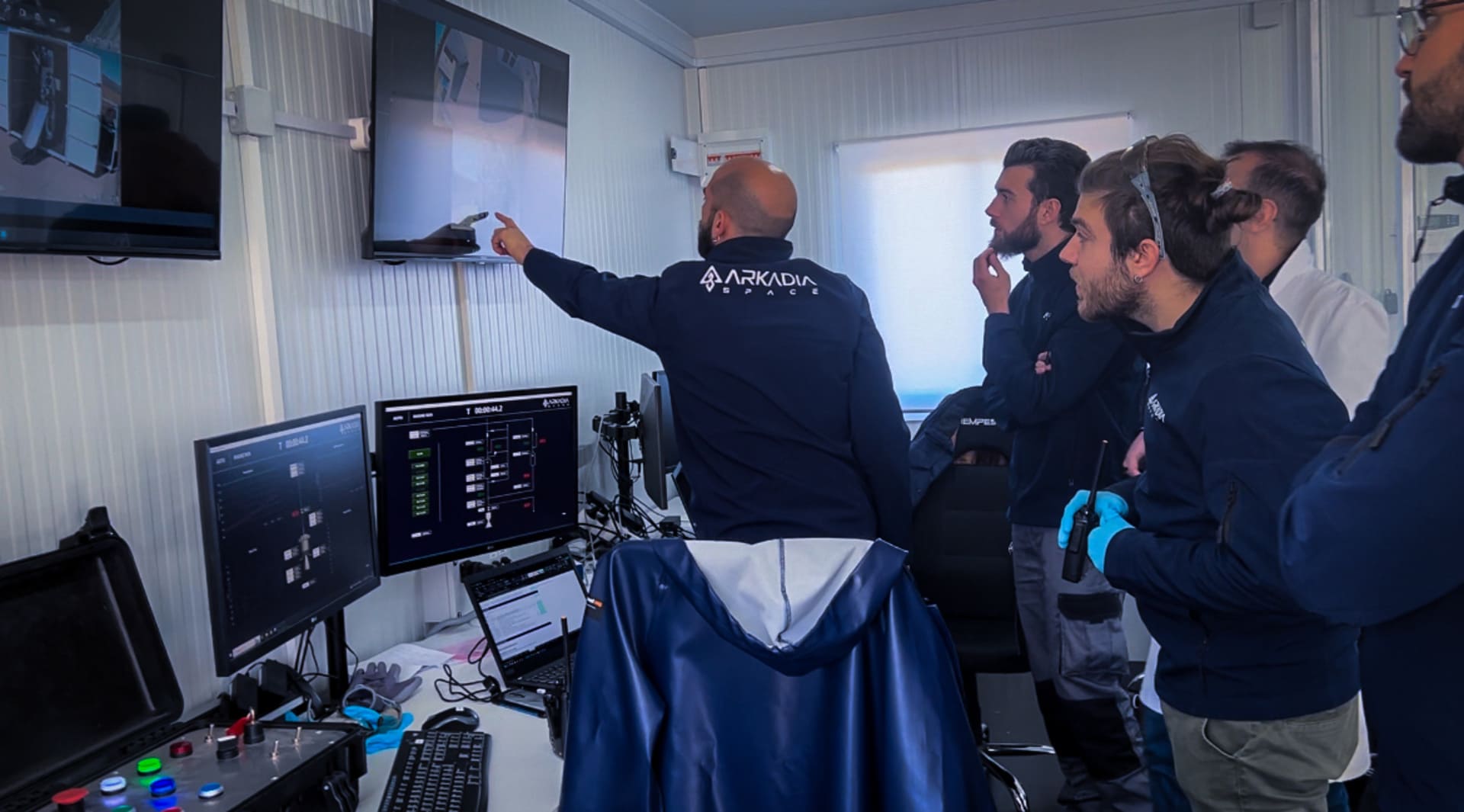
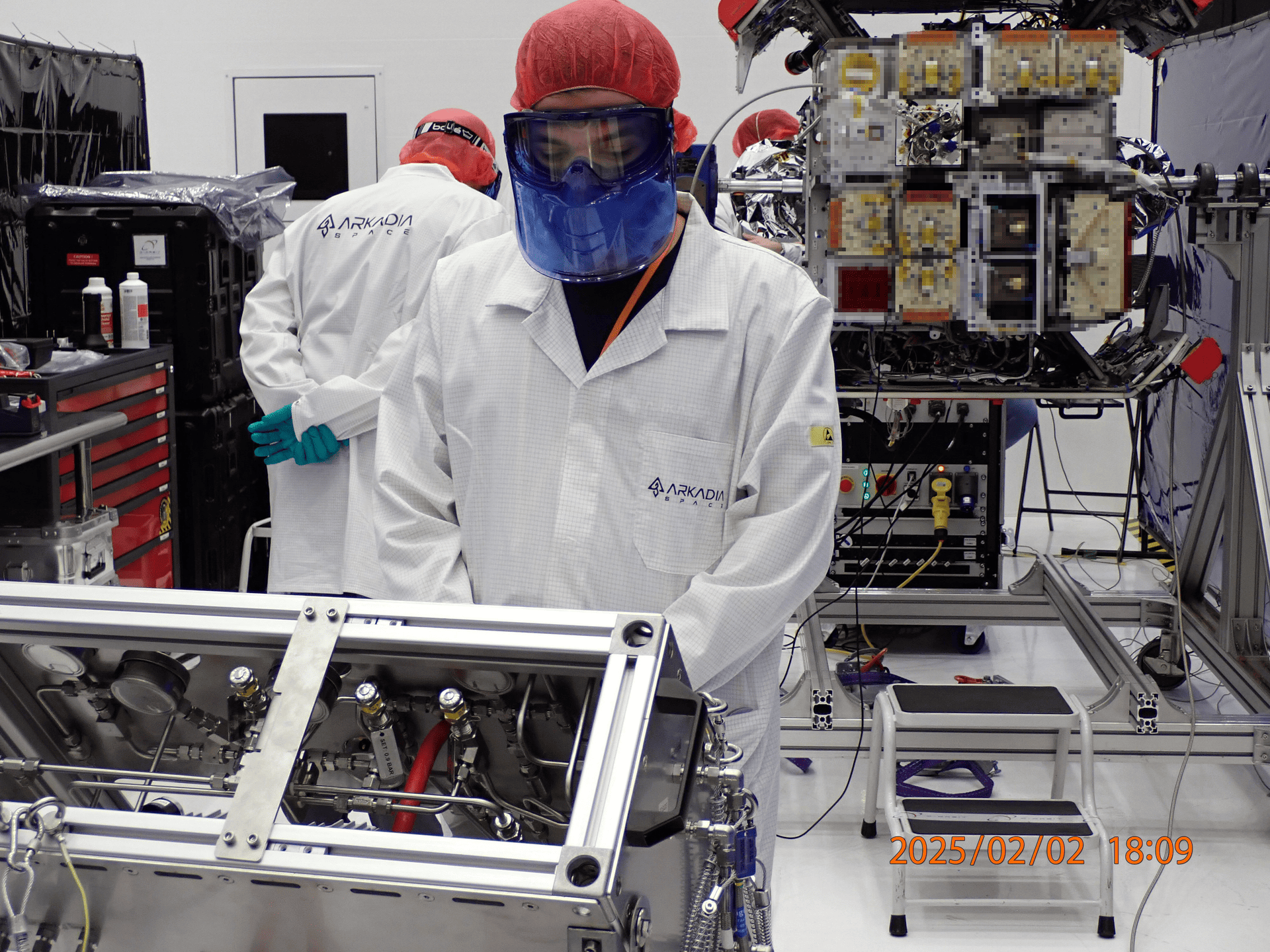
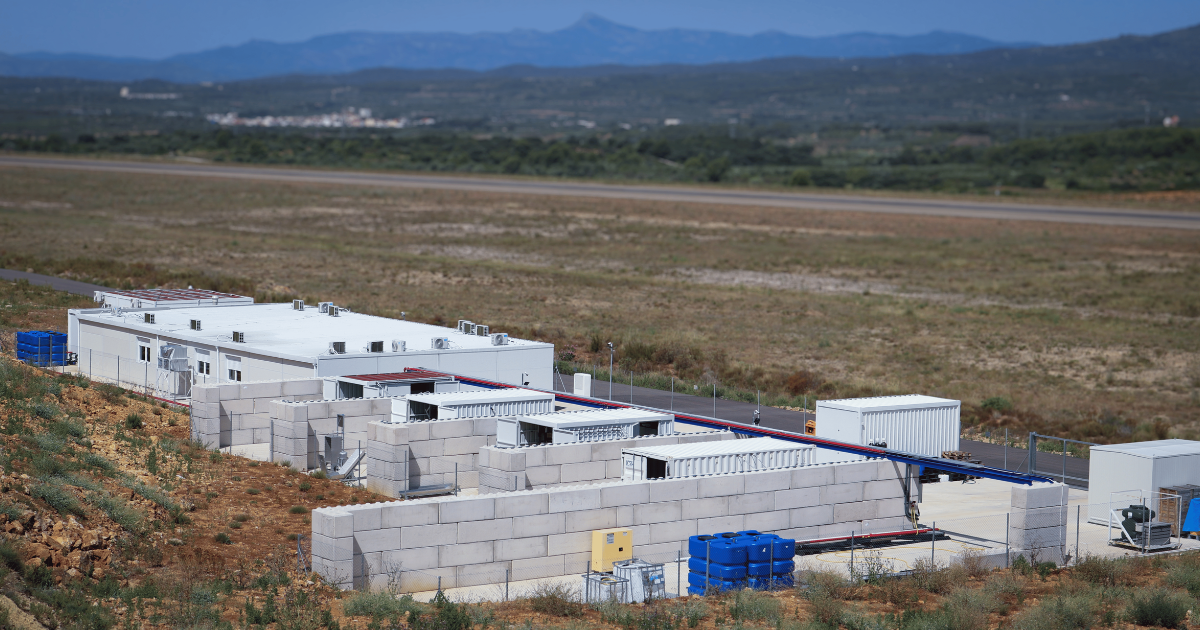
Located at the Castellón Airport in Spain, Arkadia Space operates its own Test Center — the first private facility of its kind in Europe — ensuring the highest quality and reliability of its thrusters and propulsion systems.
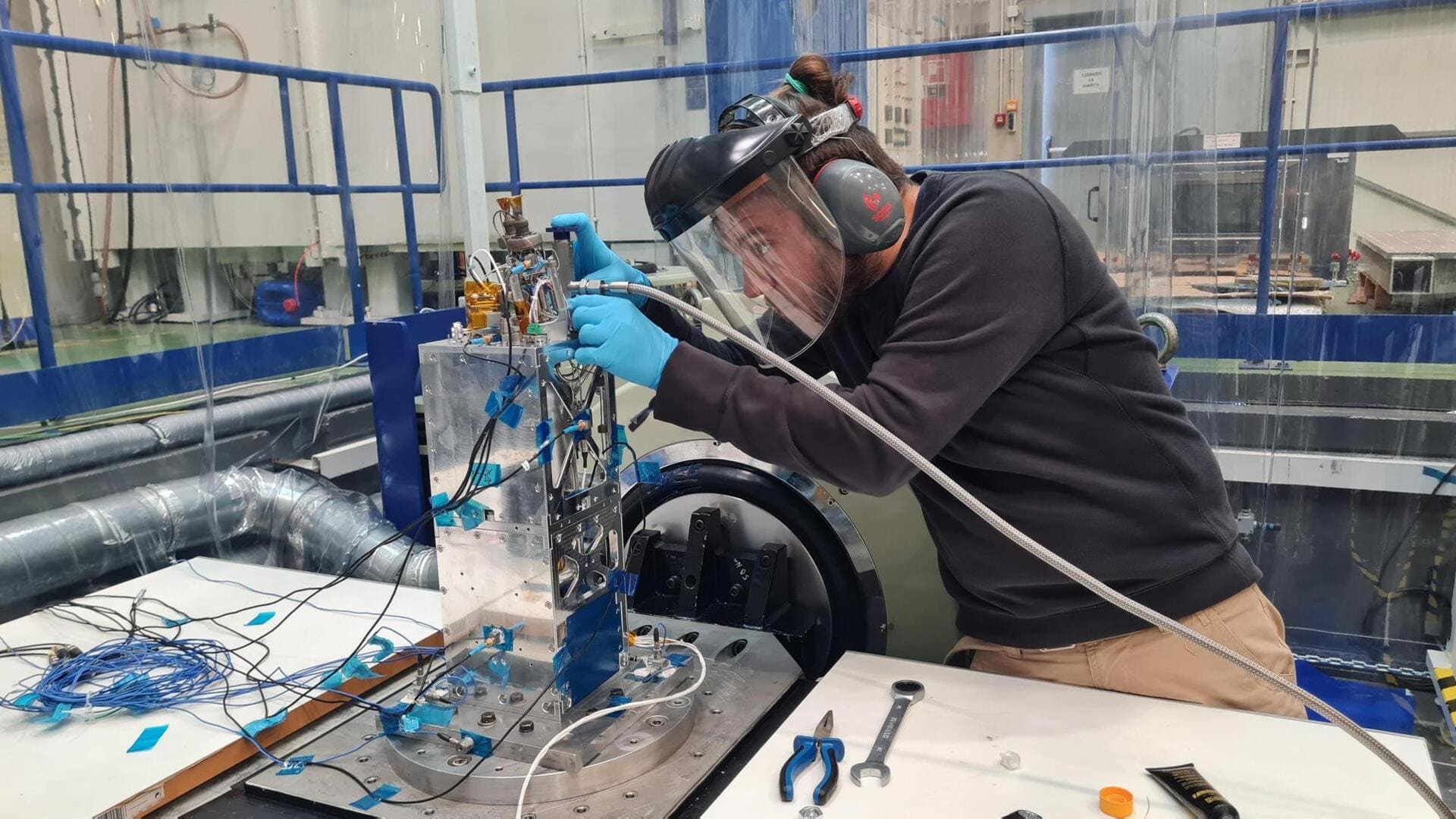
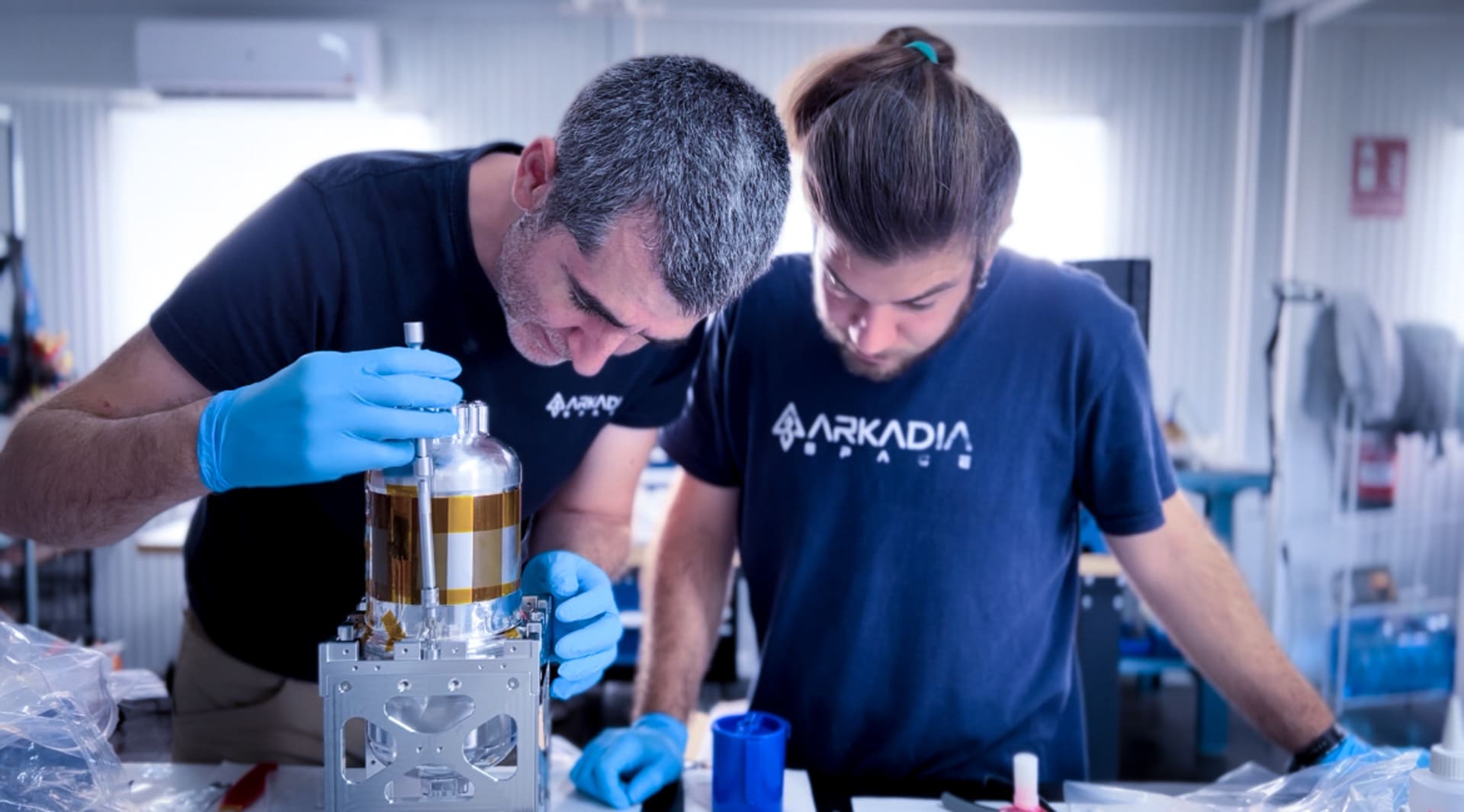
With three operational propulsion test benches, a chemical laboratory, a cleaning room, and a dedicated workshop, Arkadia Space runs one of the most complete and advanced private test facilities in Europe, enabling full in-house validation under both commercial and institutional requirements.
Spanning nearly 3,000 square meters, the facility allows us to perform all qualification and acceptance tests internally, significantly reducing lead times while maintaining full control over every stage of development.
From the Arkadia Space news room
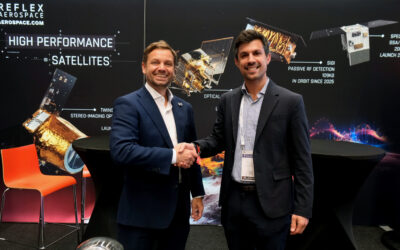
Arkadia Space and Reflex Aerospace sign commercial agreement for green propulsion system on upcoming satellite mission
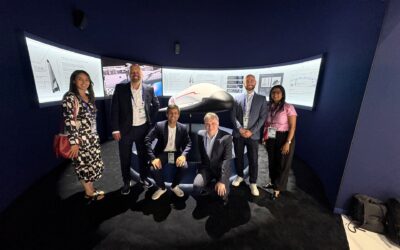
Arkadia Space propulsion selected by Dassault Aviation for the demonstrator of the VORTEX spaceplane
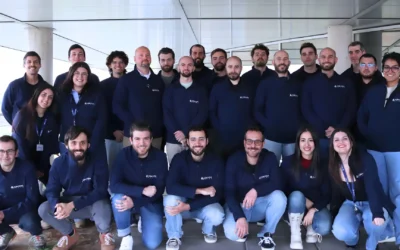
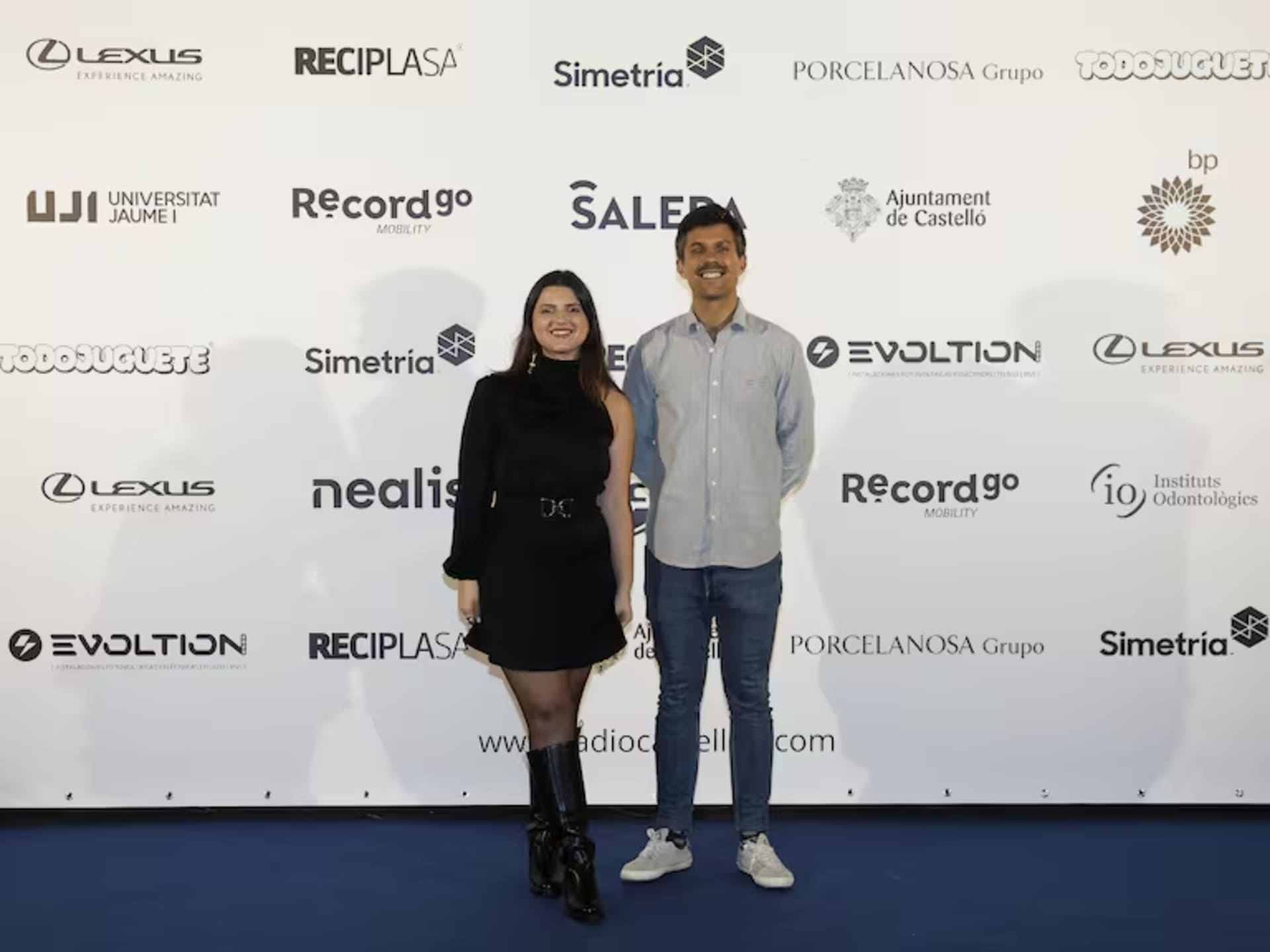
Arkadia Space Secures €14.5M from EIC Accelerator, Becoming Spain’s First Space Company to Achieve This
Work on Real
Space Hardware
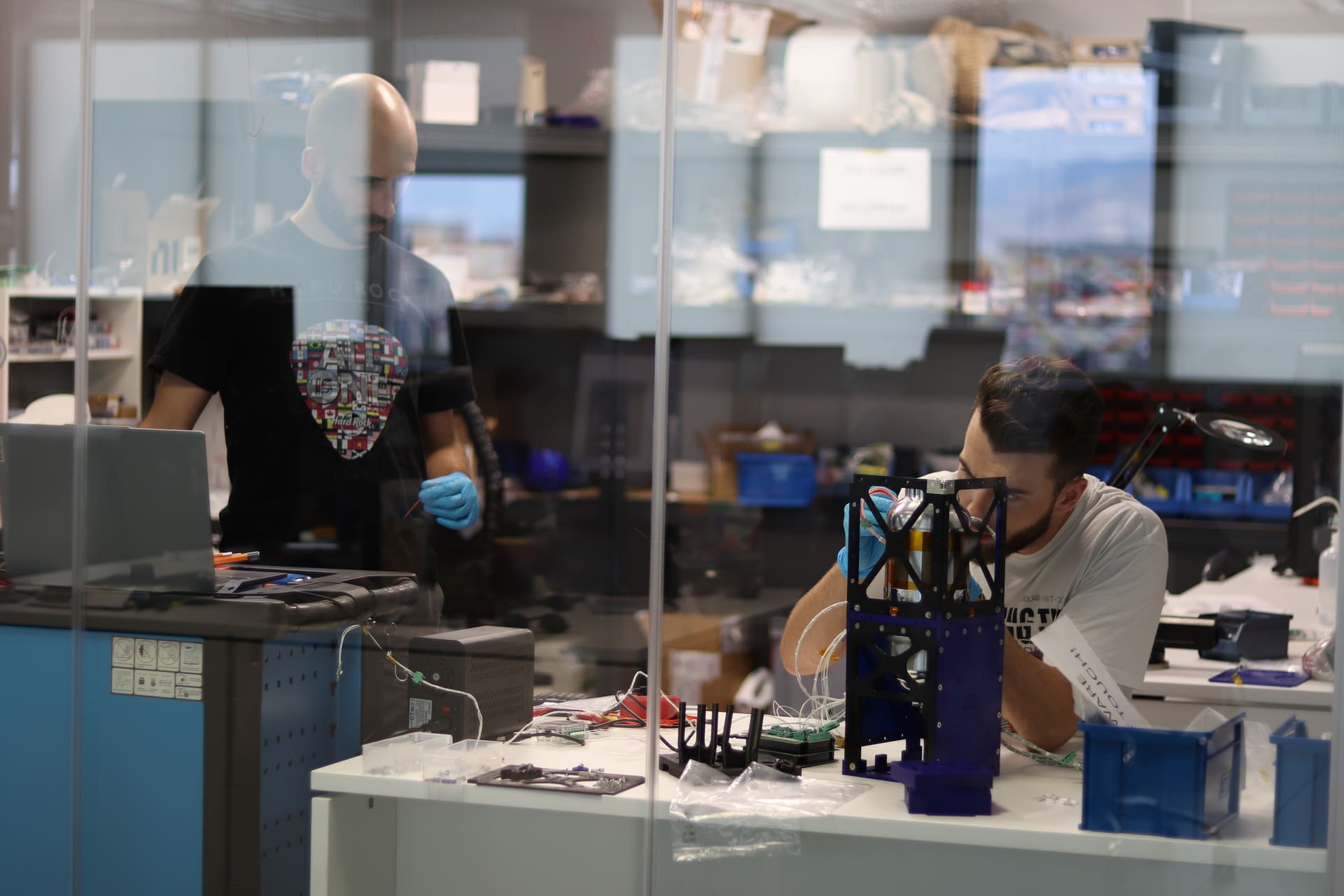
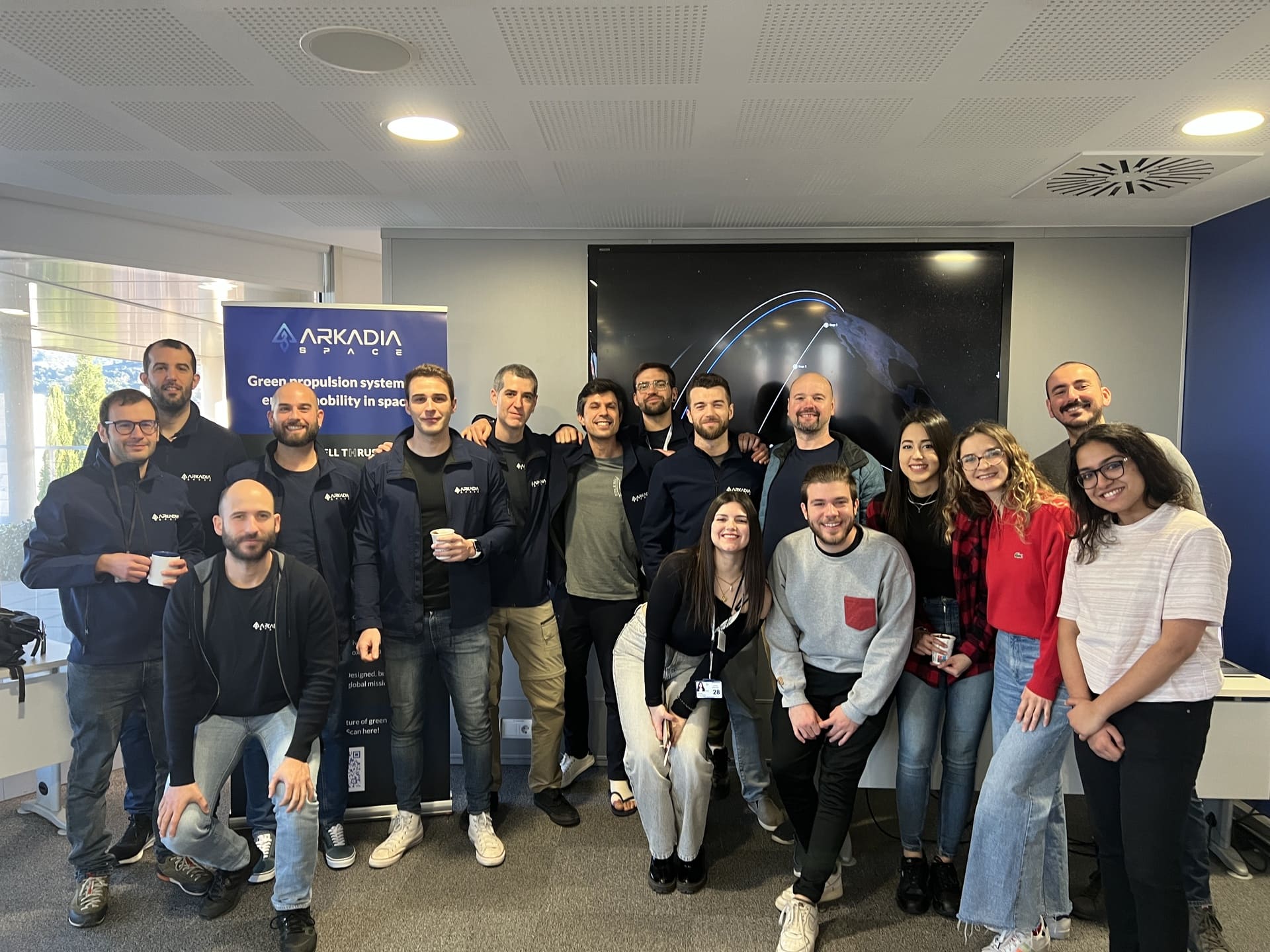
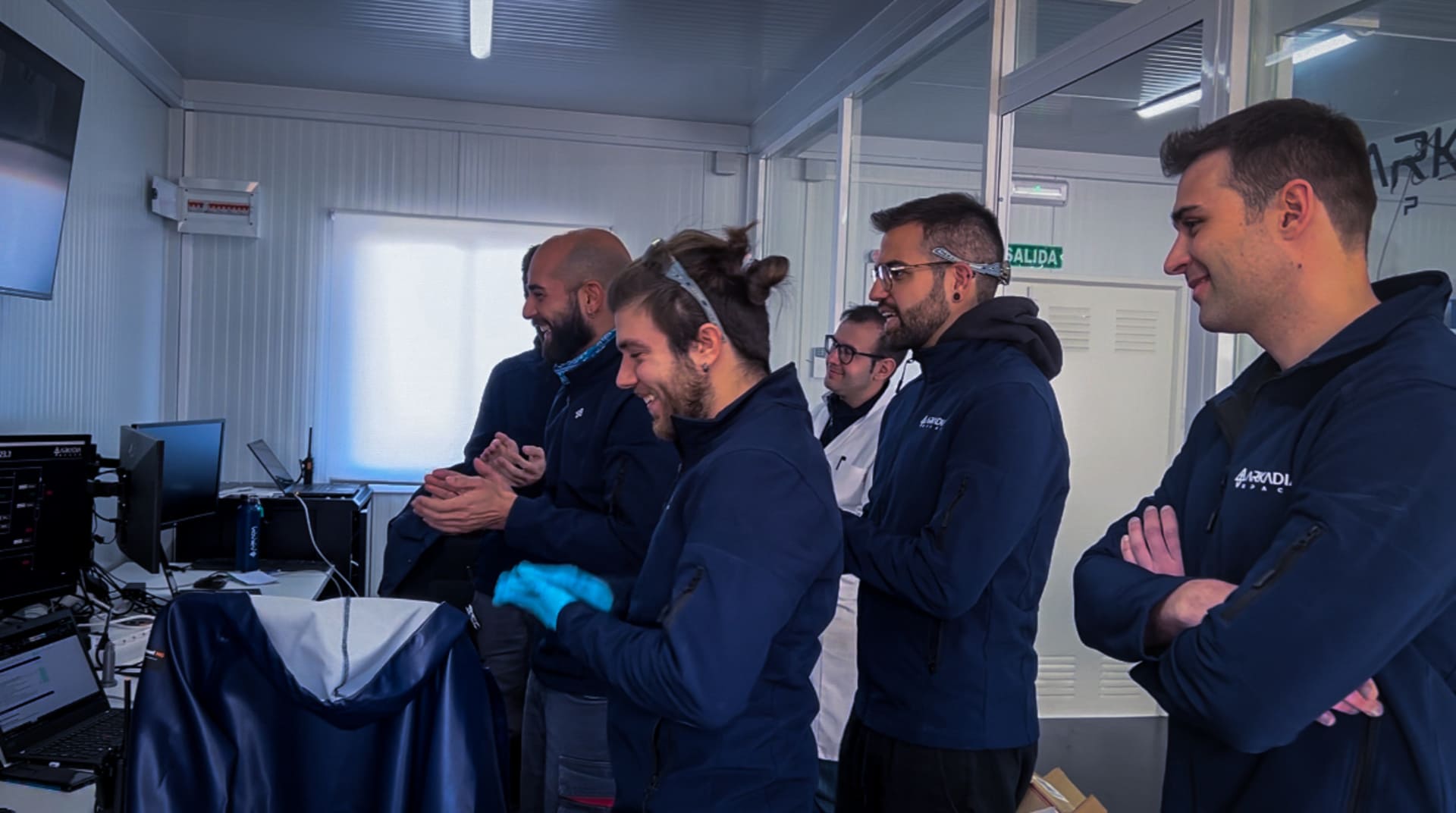
From internships to full-time roles, join a team working hands-on with real propulsion systems and shaping the future of space mobility.